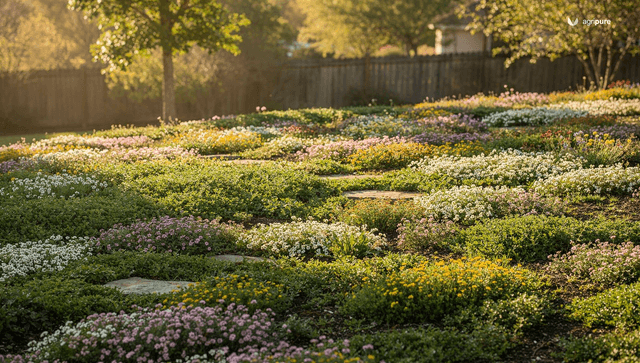
Best ground cover plants for slopes, dry shade, and lawn-free yards (by USDA zone)
Best ground cover plants by use — sunny slopes, dry shade, between pavers, and lawn alternatives — with USDA zones, spacing, and which spreaders to avoid.
US guides
1133 guides written specifically for United States growers. Clear filter
Best ground cover plants by use — sunny slopes, dry shade, between pavers, and lawn alternatives — with USDA zones, spacing, and which spreaders to avoid.
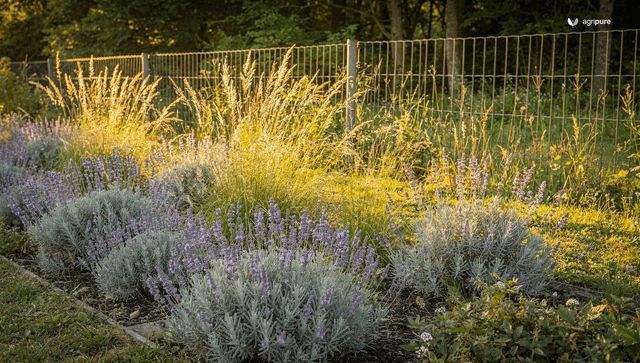
A deer resistant plants guide by perennials, shrubs, herbs, and bulbs — the aromatic, fuzzy, and toxic traits deer avoid, plus the fence they can’t beat.
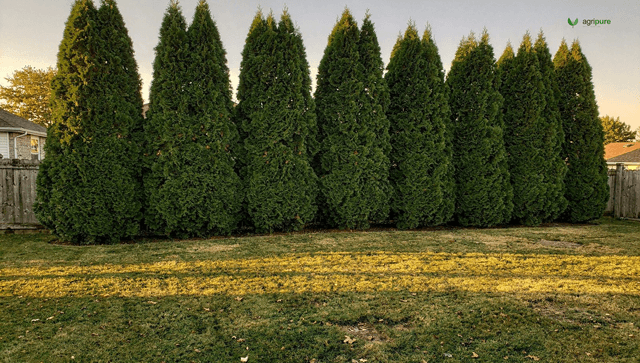
Fast growing privacy trees buy a screen in 3 years, but the quickest growers are often weak-wooded and short-lived. Growth rates, spacing math, and what to avoid.
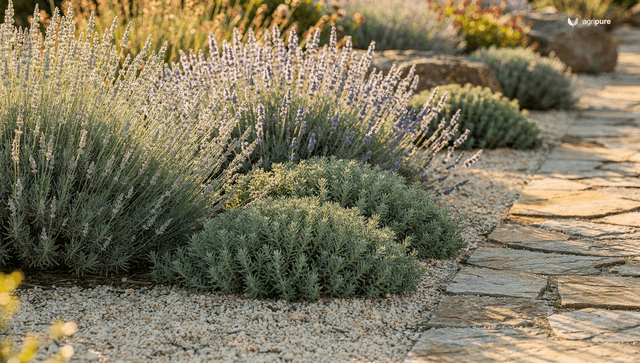
Drought tolerant plants still need water their first year. How to pick by USDA zone, water deeply, mulch 3 inches, and group plants by water need.
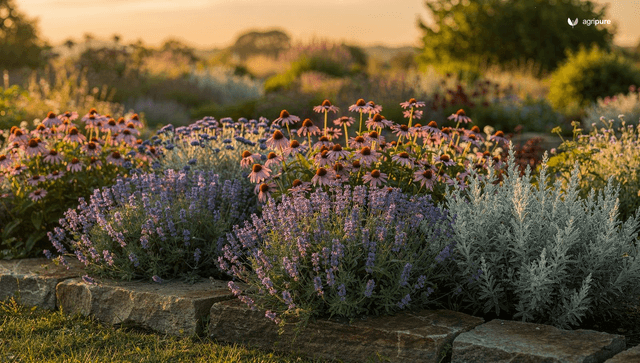
The truly carefree perennials grouped by sun and USDA zone — what low maintenance really means, plus coneflower, sedum, Russian sage, and a succession-of-bloom plan.
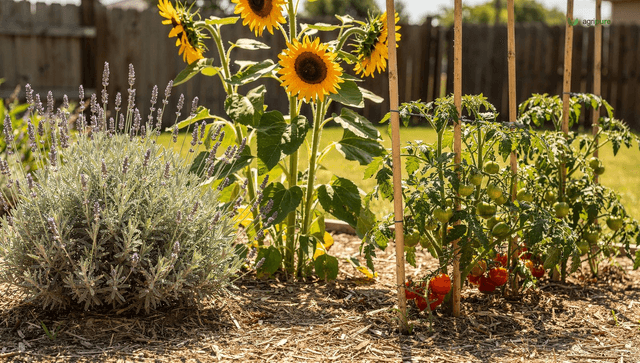
The best plants for full sun by type and USDA zone — perennials, annuals, shrubs, edibles — plus the watering, mulch, and hardening-off habits that prevent scorch.
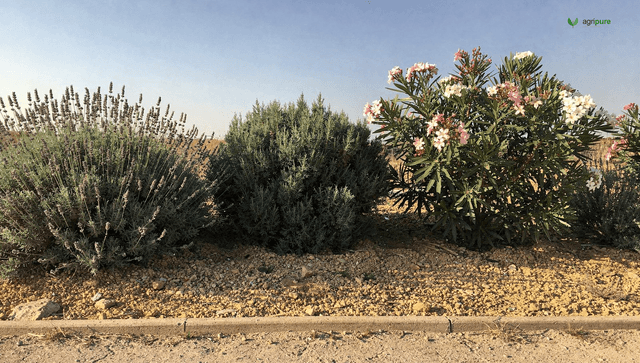
Flowering and evergreen drought tolerant shrubs by USDA zone, plus the establishment-year watering that decides whether they live and screen.
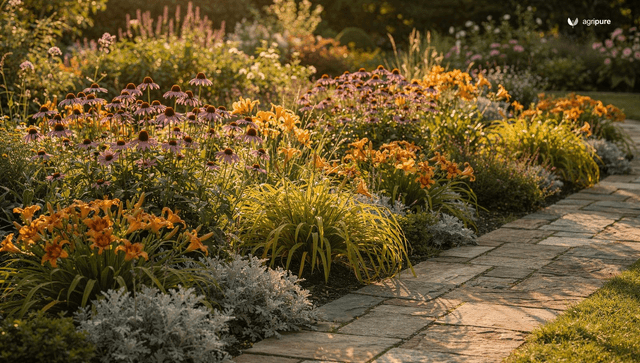
The best perennials by purpose: coneflower for pollinators (zones 3-8), daylily for long color, hosta for shade, plus how to divide every 3-5 years for free plants.
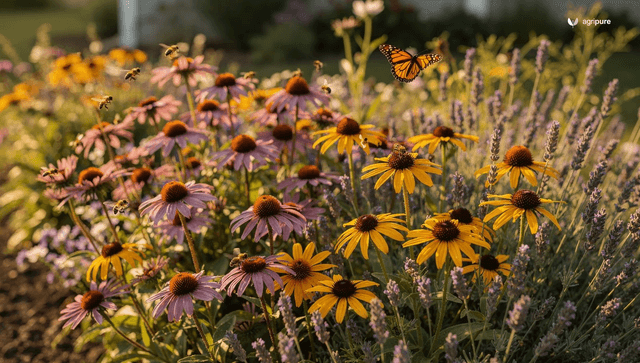
Choose plants for pollinators by bloom season for continuous forage. Native-first picks, host vs nectar plants, and how to use neem at dusk without harming bees.
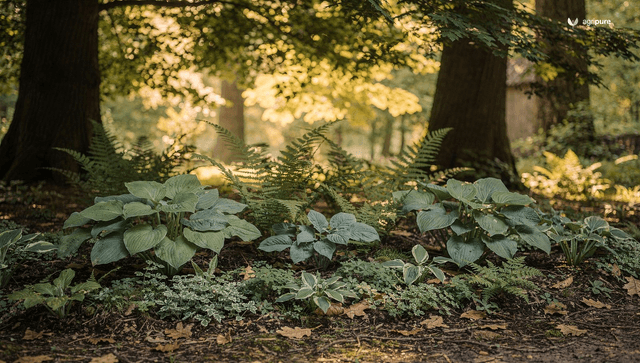
Full shade is under 2 hours of sun a day. The foliage perennials, ferns, groundcovers, and shrubs that survive it, and why dry shade needs a different list.
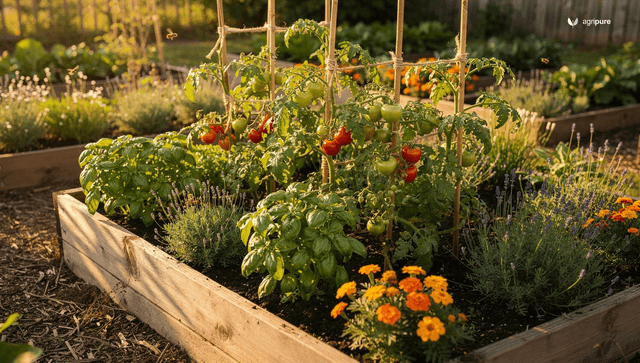
Which tomato companion plants actually work? Basil primes tomato defenses, marigolds fight nematodes (if timed right), and walnut and fennel do real harm.
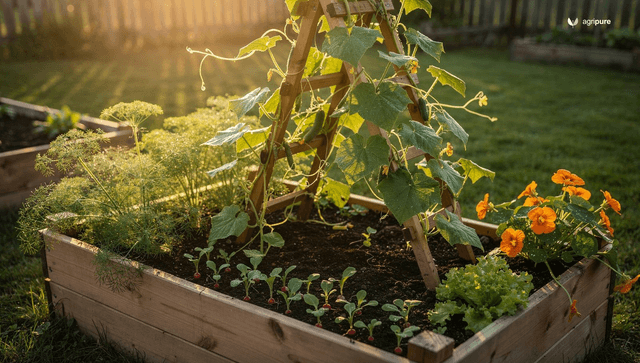
The best companion plants for cucumbers grow low or fix nitrogen. Radish, dill, borage, and beans that work — plus the potatoes and sage to keep away.
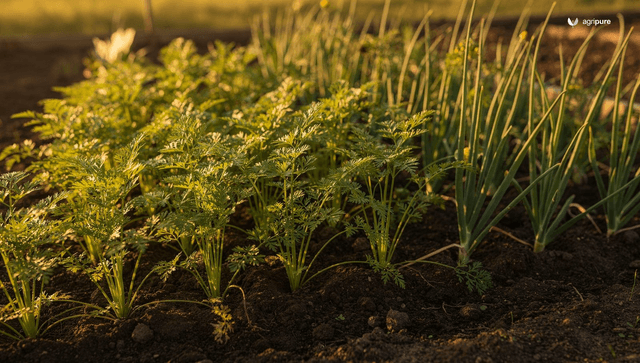
Onions and chives mask the scent carrot rust flies hunt by, while tomatoes provide light shade. Dill, parsnips, and scattered marigolds backfire around carrot beds.
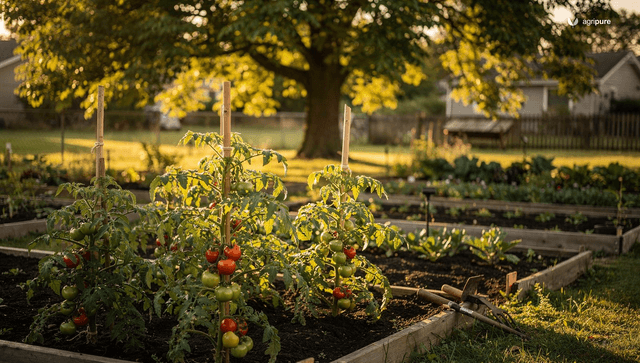
Tomatoes have 5 real antagonists: black walnut, other nightshades, fennel, corn, and brassicas. The evidence behind each and the spacing and rotation fixes.
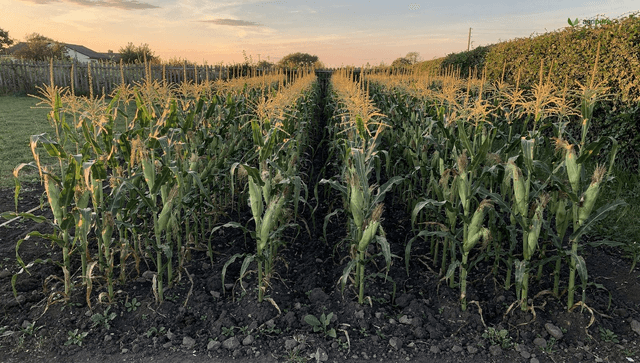
Sweet corn is wind pollinated, so plant a block of 4+ rows, not one. Soil at 60°F, seed 1 inch deep, feed nitrogen twice, and pick at the milk stage.