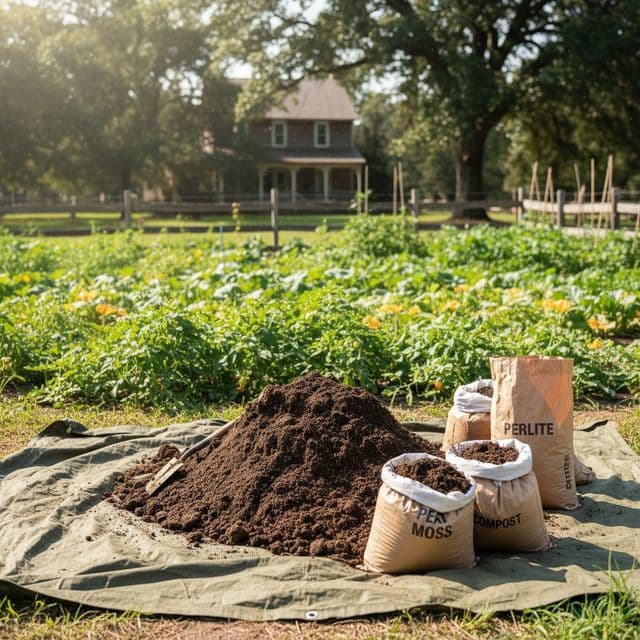
DIY seed and potting mix: custom blends for stronger seedlings
How to mix custom seed-starting and potting mixes with peat or coco coir, perlite, and compost for controlled drainage and seedling nutrition.
Articles
Practical, zone-aware guides to gardening, homesteading, permaculture, and food forests — the slow craft of farming like a forest does.
How to mix custom seed-starting and potting mixes with peat or coco coir, perlite, and compost for controlled drainage and seedling nutrition.
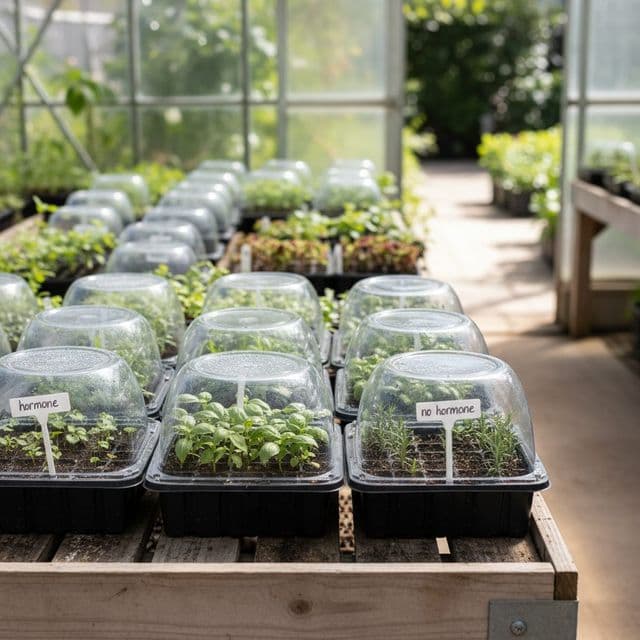
Learn when rooting hormone earns its place. Learn when to use rooting hormone for cuttings to boost root development in hard-to-root species and when to skip it for easy-rooters. Maximize your plan…
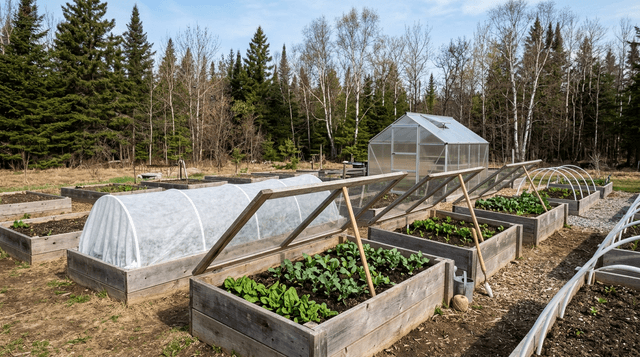
Season extension techniques in Canada lengthen the brief northern growing window by several weeks through unheated cold frames, floating row covers, and polyethylene high tunnels.
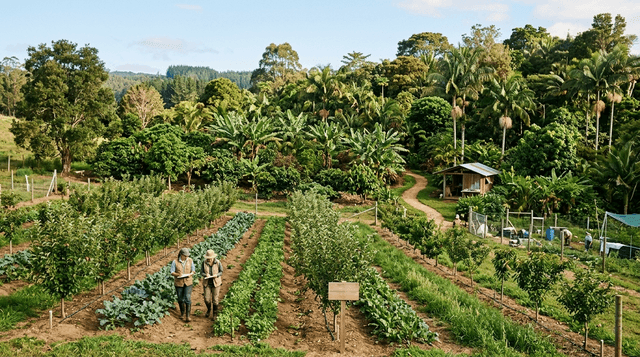
Agroforestry systems in temperate and tropical zones differ fundamentally in succession rates, canopy stratification, pest dynamics, and the operational dominance of specific agroforestry practices.
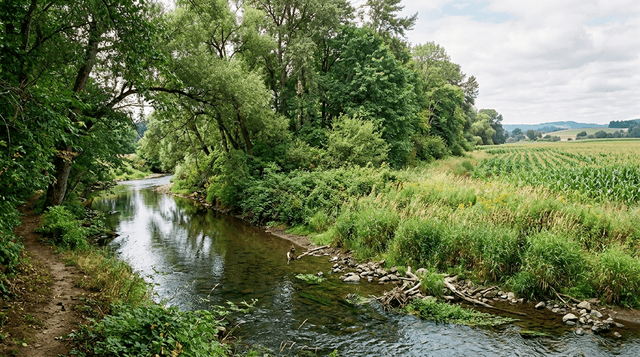
A functional riparian buffer relies on three distinct structural zones to stabilize streambanks, intercept agricultural runoff, and maintain aquatic temperatures rather than unmanaged tree planting.
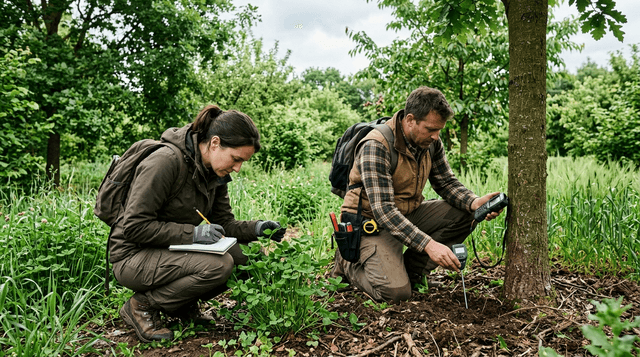
Agroforestry research quantifies multi-species interactions using specialized metrics including the Land Equivalent Ratio, soil organic carbon dynamics, and microclimatic and biodiversity indices.
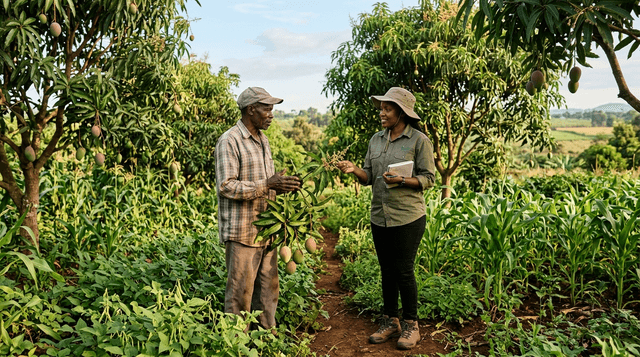
Agroforestry adoption lags behind ecological evidence due to high upfront establishment costs, multi-year payback horizons, insecure land tenure, and misaligned agricultural policy frameworks.
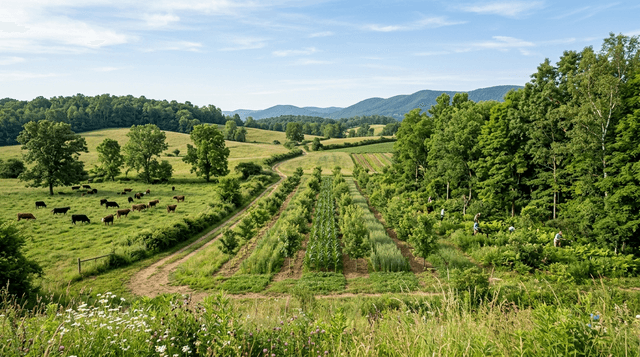
Agroforestry systems are classified in academic literature by structural arrangement, ecological and productive function, and socioeconomic setting.
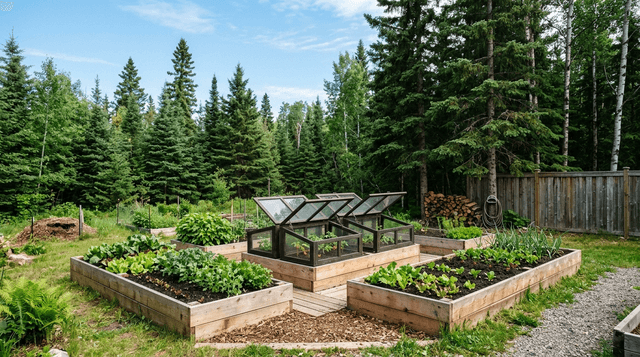
Gardening successfully in Canadian USDA zones 2 to 4 requires selecting cold-hardy varieties, optimizing microclimates, and protecting crops during narrow frost-free growing windows.
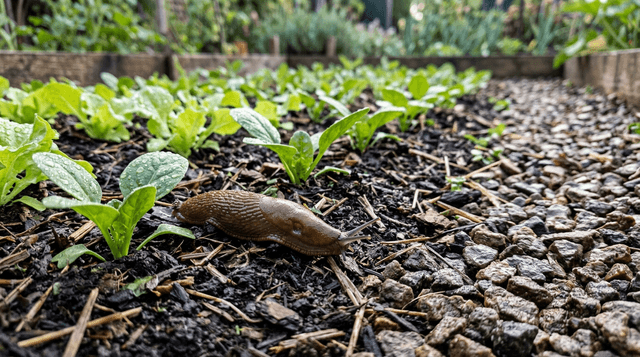
Slug management in damp UK gardens requires layered non-chemical controls and prioritizing vulnerable young seedlings, as no single cultural method completely eliminates gastropods.
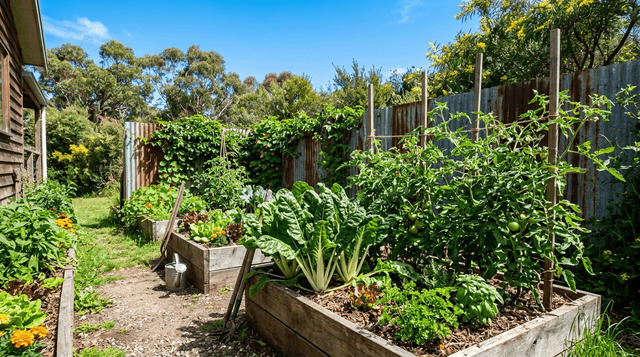
Understanding Australia's reversed growing calendar prevents common planting errors caused by northern-hemisphere advice, aligning seasonal tasks with September-to-November spring cycles.
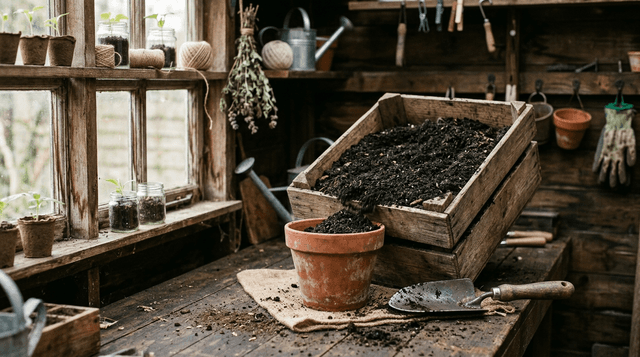
The UK transition to peat-free compost requires adjusting watering and feeding routines, as bark, wood fibre, and coir blends dry out faster on top while retaining core moisture.
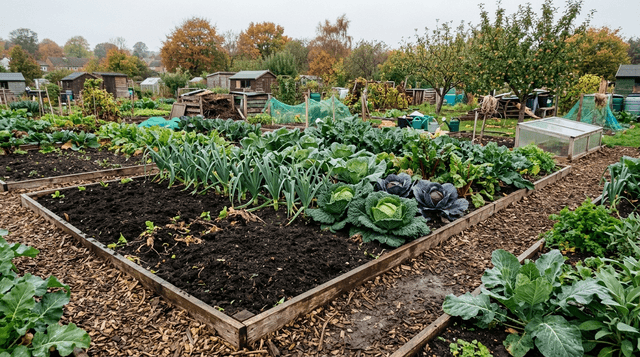
No-dig gardening protects UK soils by layering organic compost over undisturbed ground, improving heavy clay drainage and reducing seasonal weed emergence.
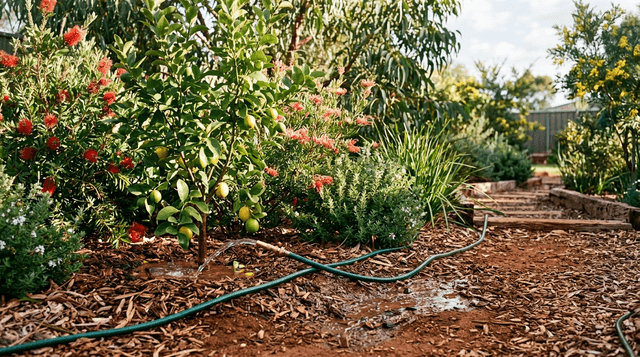
Reusing domestic greywater in Australian gardens conserves moisture during dry seasons when applied subsurface to established trees, ornamentals, and non-root crops.
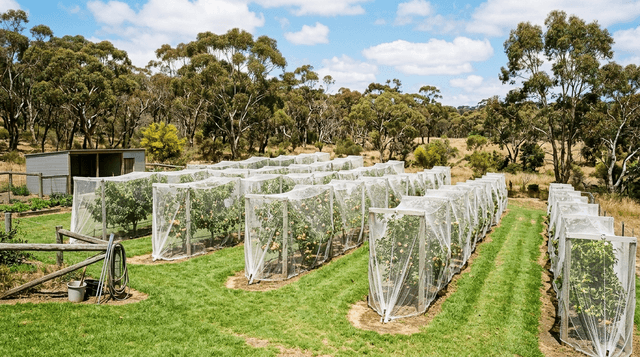
Managing fruit fly in Australia relies on physical exclusion netting and pheromone monitoring traps to prevent Queensland and Mediterranean fruit flies from destroying domestic orchard crops.