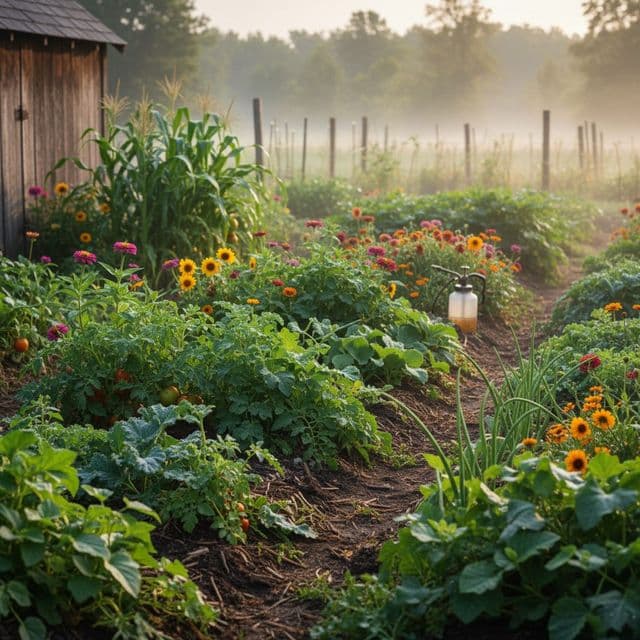
Insecticidal Soap: Aphid Control on Roses
Learn to use insecticidal soap effectively for aphid control on roses and other plants. Discover proper dilution, application, and how it works to protect your garden organically.
Articles
Practical, zone-aware guides to gardening, homesteading, permaculture, and food forests — the slow craft of farming like a forest does.
Learn to use insecticidal soap effectively for aphid control on roses and other plants. Discover proper dilution, application, and how it works to protect your garden organically.
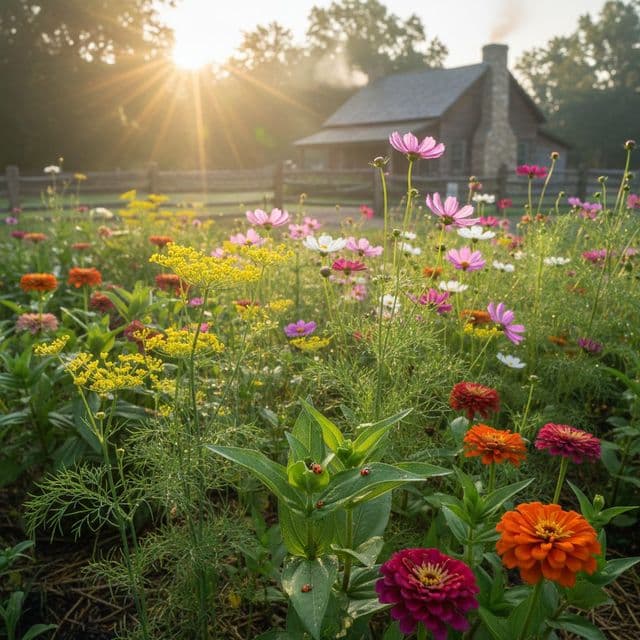
Learn how to attract beneficial insects by USDA zone to naturally control pests. This guide details timing plantings of insectary crops like dill & cilantro for effective, sustainable pest management.
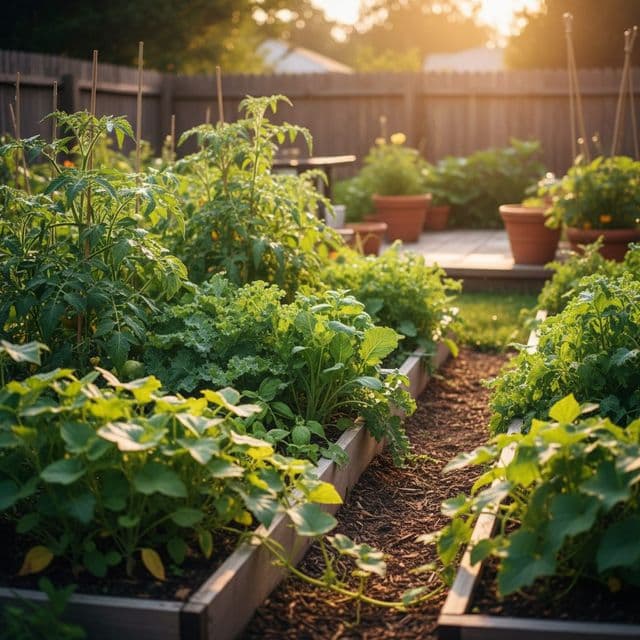
Attract praying mantids, ground beetles, and assassin bugs to your garden. Learn how these beneficial garden insects reduce pests by 30% or more with habitat creation.
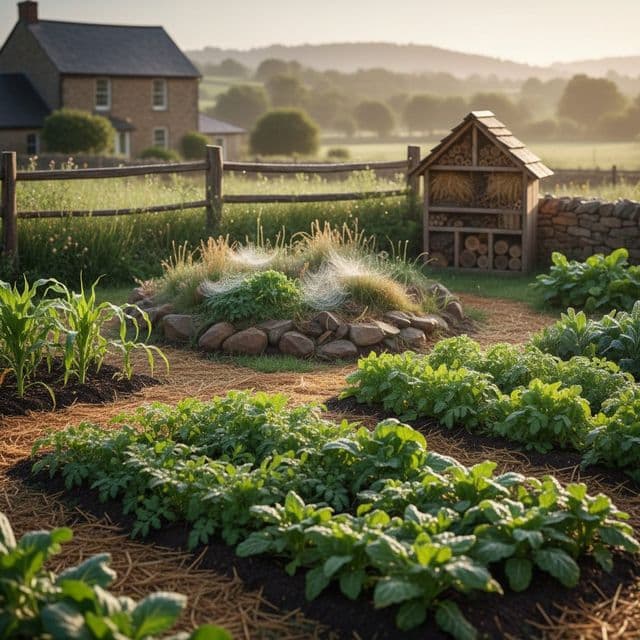
Learn how to attract beneficial insects to your USDA Zone 6 homestead using beetle banks & bug hotels. Reduce pest pressure by 30% & cut pesticide use by 50%.
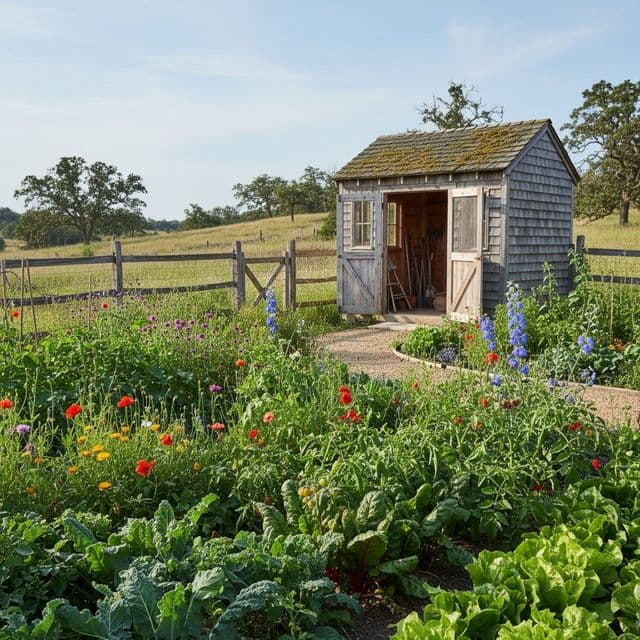
Learn how to effectively use beneficial insects for pest control in USDA Zone 6. Discover why habitat is essential for retaining ladybugs, lacewings, and mites long-term.
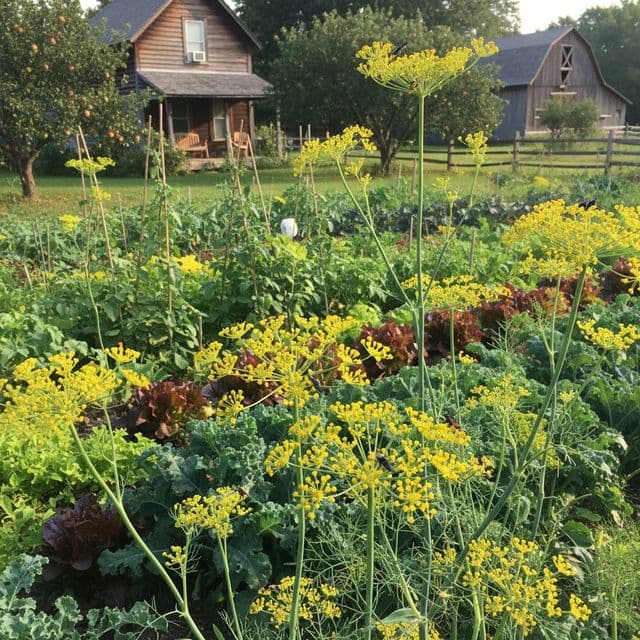
Learn how to attract native predatory wasps to your US garden. Discover their role in organic pest control, what plants to grow, and how to create habitats to reduce pest pressure naturally.
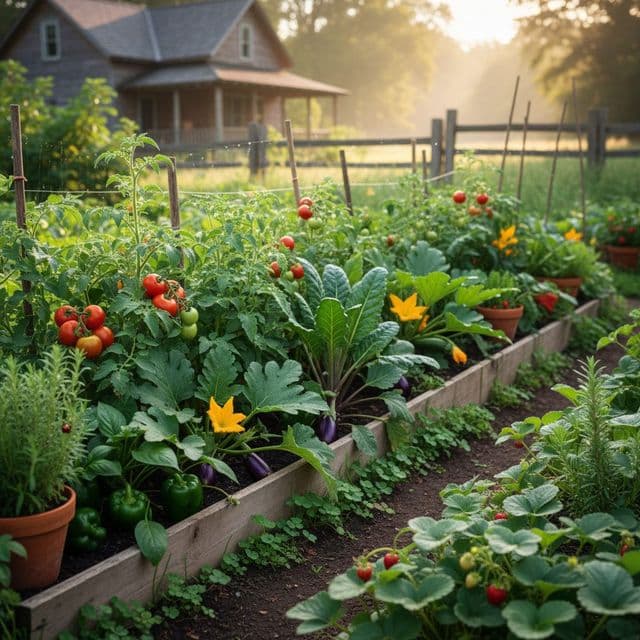
Learn to identify beneficial insect larvae like ladybugs, lacewings, and hoverflies. Protect these natural predators to reduce garden pests, save crops, and minimize pesticide use in your homestead.
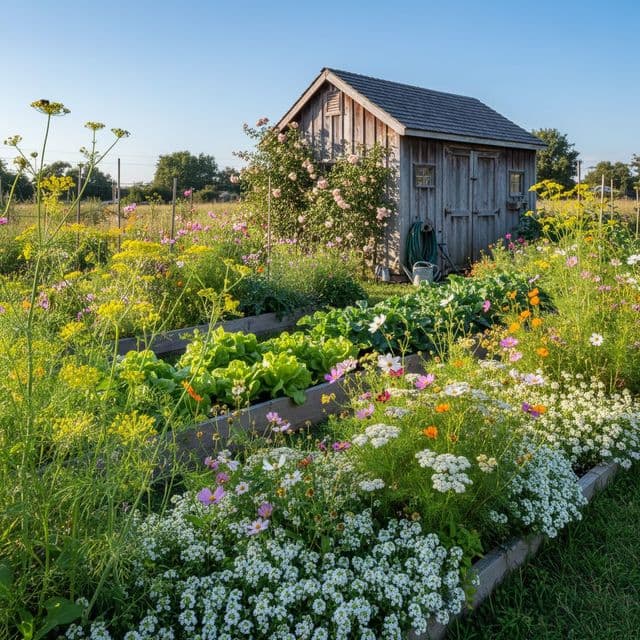
Insectary plants like alyssum, dill, and fennel attract beneficial insects and can reduce garden pests by up to 30%. Strategic placement provides natural pest control.
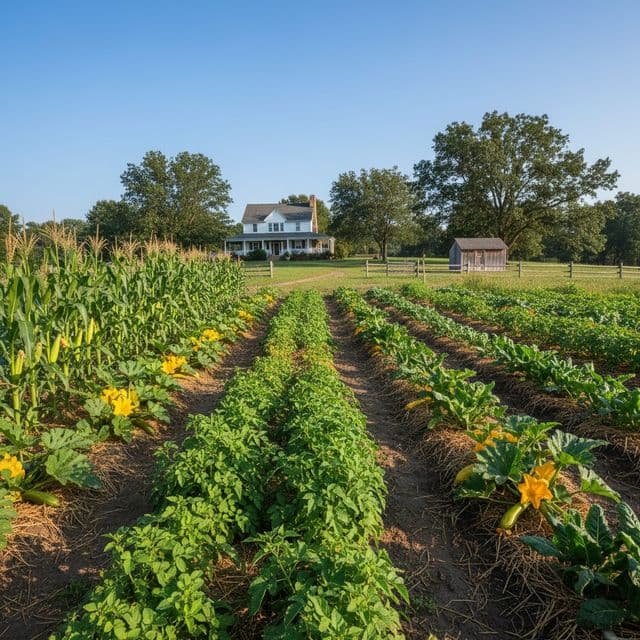
Understand US organic pesticide labels, OMRI certification, and IPM principles for effective pest control. Learn how to choose safe products and boost beneficial insects on your farm or garden.
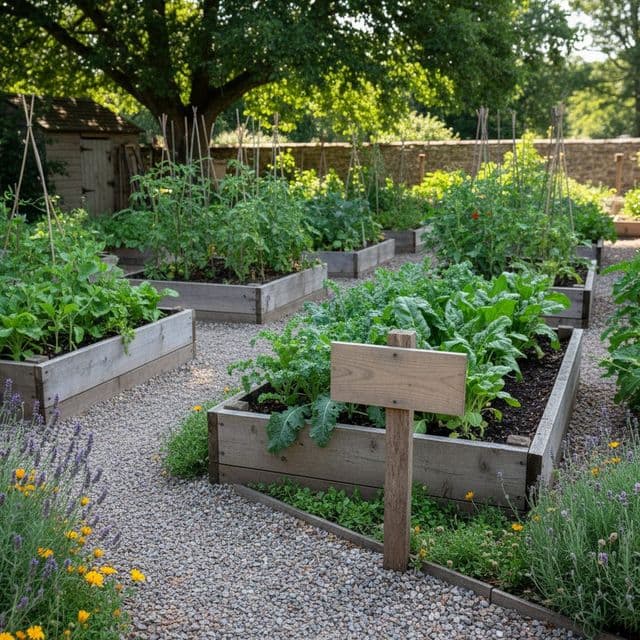
Master organic pest control with effective IPM record-keeping. Learn how tracking garden data improves decision-making, reduces pest damage by 15-25%, and ensures a healthier, more productive garde…
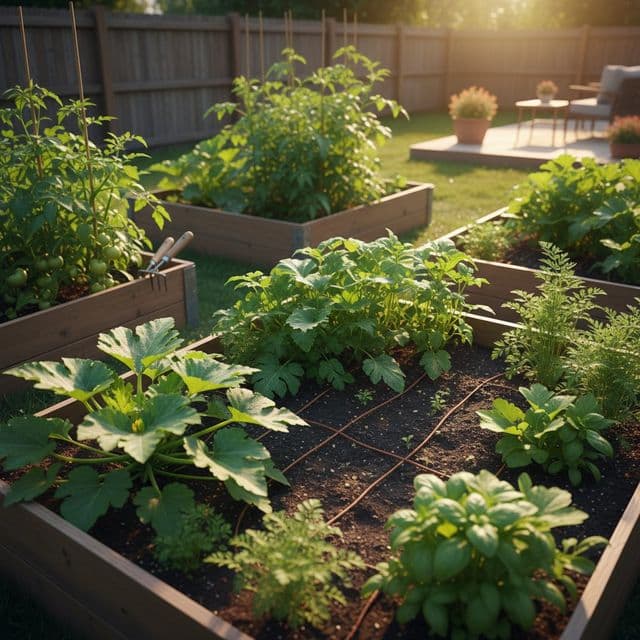
Master organic pest prevention in USDA Zone 5. Learn strategic crop rotation, sanitation, and resistant varieties to reduce garden pests and diseases by 50% or more. Grow a healthier, more producti…
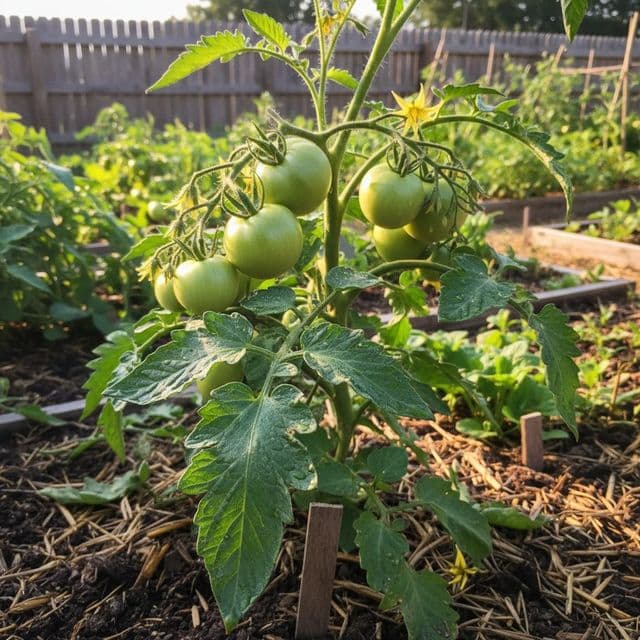
Learn how to set pest action thresholds for aphids on tomatoes in USDA zone 6. Understand economic injury levels, scouting methods, and factors influencing treatment decisions for effective, respon…
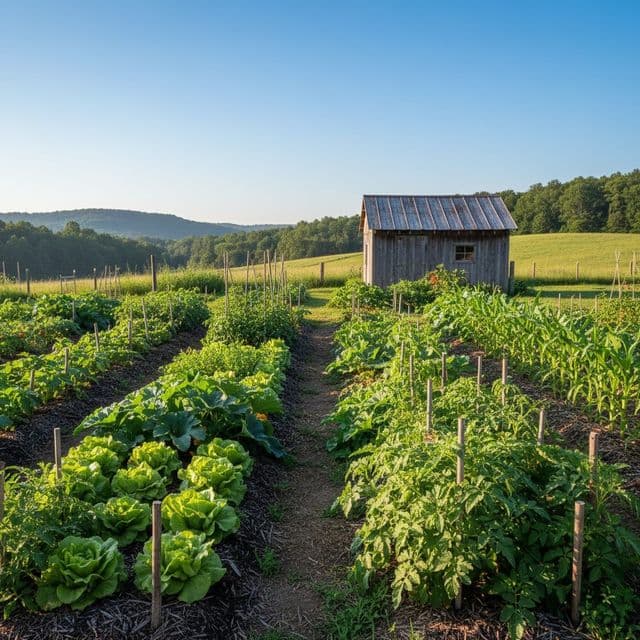
Protect your USDA Zone 6 garden with a weekly pest scouting checklist. Learn to identify common pests early, reduce crop loss, and minimize pesticide use with IPM strategies.
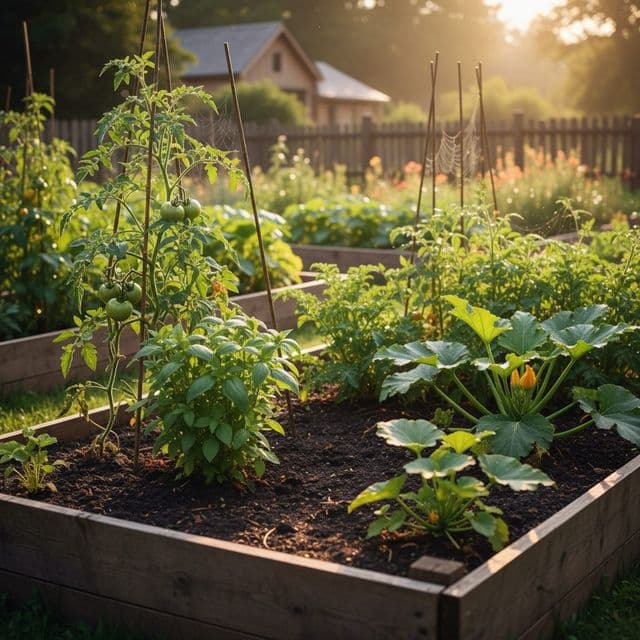
The 5 levels of Integrated Pest Management (IPM) for organic pest control in USDA Zone 6: prevent crop loss, reduce chemical use, and save costs with a systematic approach.
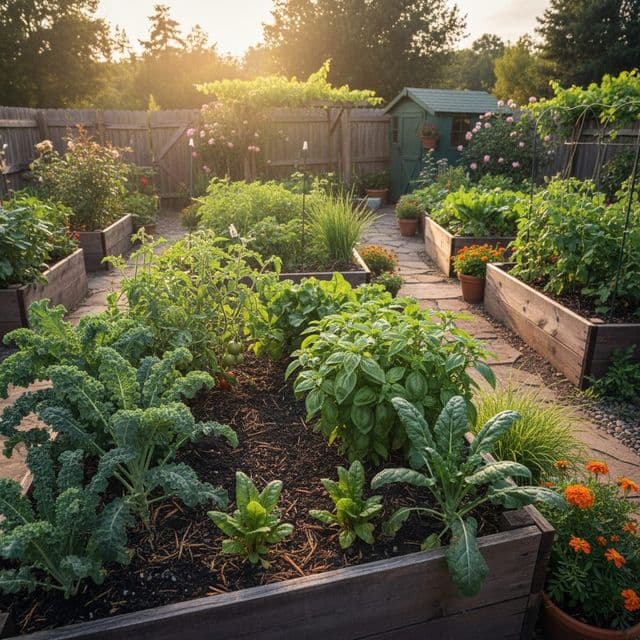
Learn why pausing fertilization during heat waves protects your garden plants from stress and nutrient burn. Discover signs of heat stress and smart management tips for a resilient garden.