SECONDARY · CLIMBER
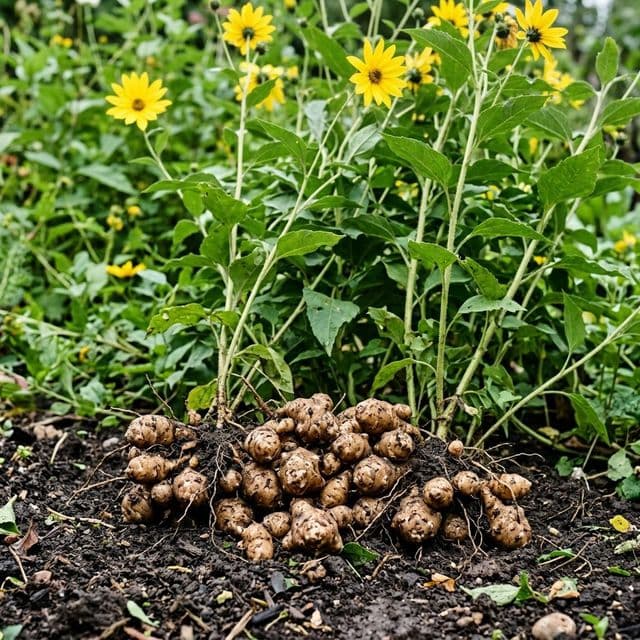
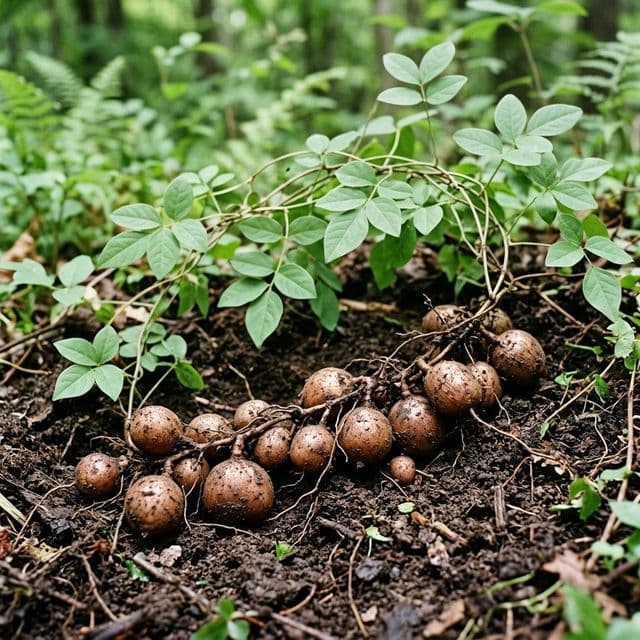
American groundnut
Apios americana
USDA 3-9food · nitrogen fixing
India plant finder
90 plant profiles, narrowed to the scale India growers actually use — not a generic zone map relabelled.
Cultivars grown across India
Each vernacular name below was checked against the plant's own profile text before publishing — not a guess at what sounds Indian.
Jharberi
Wild Jujube
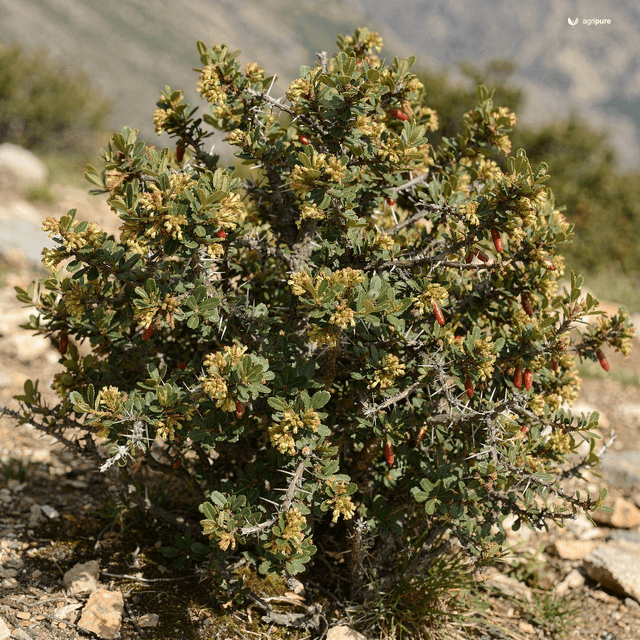
A thorny dryland shrub of arid northwestern tracts; handle sharp stipular thorns carefully, and avoid unguided medicinal use in pregnancy.
Indian Jujube
Ber
A widely cultivated dryland fruit tree across arid plains; handle sharp thorns with care, and avoid unguided medicinal use in pregnancy.
Adrak
Ginger
A major commercial and kitchen spice planted with early monsoon rains in partial shade, lifted after tops collapse in dry weather.
Pala Indigo
Sweet Indrajao
Native deciduous tree cultivated across dry and moist tropical forests for timber and blue dye; handle cut stems with care due to latex, and avoid heavy dietary or unguided medicinal use.
Angoor
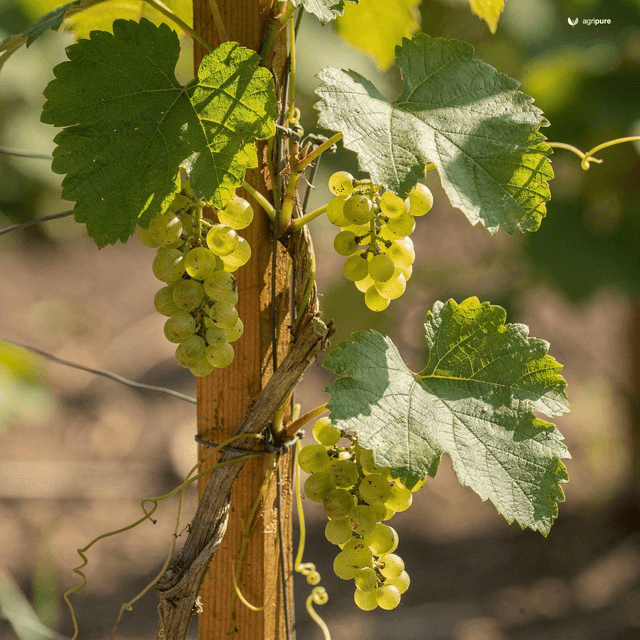
Grape
Grown mainly as a table grape in the drier peninsular and northwestern districts, trained on trellises and pruned each season to keep the canopy open; grapes and raisins are toxic to dogs, so keep them away from pets.
Green Gram
Mung Bean
A major warm-season pulse and green manure crop native to the subcontinent; grown during summer and kharif seasons for nutritious seeds, split dal, and sprouts.
Urad
Black Gram
A vital summer and monsoon pulse crop valued for dal, flour, and soil nitrogen; cook dried beans thoroughly before eating to prevent digestive distress.
Methi
Fenugreek
An essential rabi crop sown across the plains in autumn for leafy greens, nitrogen fixation, and aromatic mature seed.
Egyptian Clover
Berseem Clover
A staple irrigated rabi legume grown for multi-cut winter cattle forage; monitor long-term diet of breeding animals because plant phytoestrogens may alter reproduction. Treat strictly as a non-edible crop for humans.
Chichinda
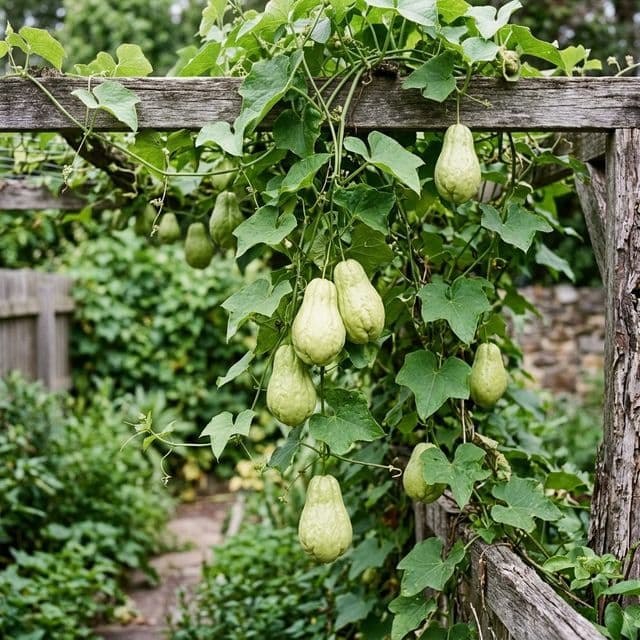
Snake Gourd
A traditional monsoon trellis vegetable grown across the subcontinent; harvest young tender gourds for curries, and always discard bitter fruit containing cucurbitacins.
Gokhru
Puncture Vine (Caltrop)
A common dryland herb gathered from waste ground for Ayurvedic medicine; eradicate near animal pastures, as burs puncture hooves and foliage is toxic to livestock.
Singhara
Water Chestnut
Grown in village ponds for starchy nuts; keep contained to prevent invasive spread, boil nuts to prevent waterborne parasite transmission, and beware of spiny fruits.
Giloy
Heart-leaved Moonseed
A deciduous medicinal climber trained onto trellises and host trees, grown for its stems rather than for the table; it is not a food plant, and liver injury has been reported with its use, so it warrants caution.
Sarphonka
Wild Indigo
A common wild legume across Indian drylands; strictly avoid casual consumption or waterway contamination, as seeds and leaves contain tephrosin, a potent fish poison.
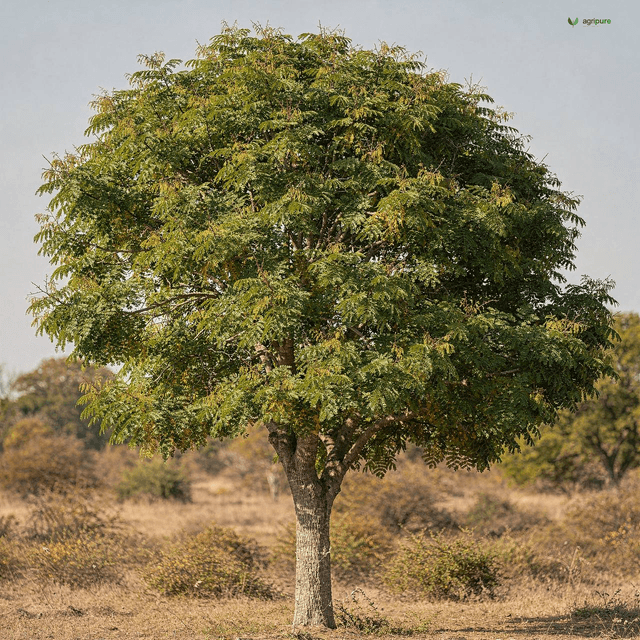
Rohida
Desert Teak
A prized arid-zone timber tree native to Rajasthan and northwestern drylands; valued for desert shelter, but bark preparations carry dangerous abortifacient effects.
Imli
Tamarind
A long-lived shade and homestead tree across the central and southern plains; its sour pods ripen through the dry months and the pulp keeps well for the kitchen.
Meethi Tulsi
Stevia
Grown in home containers and commercial plots for sweet leaves, thriving in warm humid weather and pruned to delay flowering.
Palak
Spinach
A classic rabi vegetable sown in succession during the cool months, producing tender green leaves until warm weather arrives.
Jowar
Sorghum
A staple dryland kharif grain and livestock feed across central and peninsular India; avoid feeding drought-stressed or stunted green plants due to prussic acid toxicity.
Agathi
Vegetable Hummingbird
Cultivated in warm, frost-free regions for edible flowers and tender pods; do not consume mature seeds, which are not edible and are toxic to fish.
Sarkanda
Munj Sweetcane
Native across riverbanks, arid tracts, and sandy floodplains of northern India; extensively harvested for durable thatch, basketry fibre, and erosion control.
Desi Gulab
Damask Rose
Cultivated in traditional northern rose tracts for essential oil and gulkand, blooming abundantly in early spring after winter dormancy.
Arandi
Castor
A major oilseed crop of dry plains; the seeds are lethally poisonous to livestock and humans and require cautious handling.
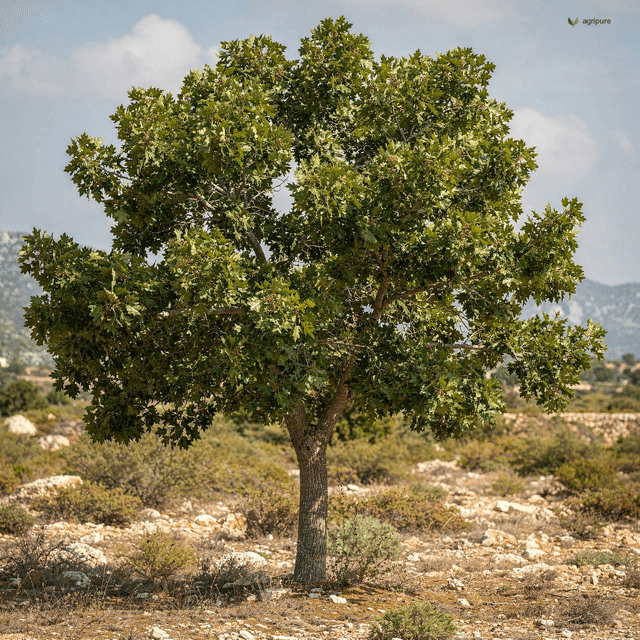
Banj Oak
Holly Oak (Ban Oak)
A keystone native evergreen oak of the lower western Himalayan forest from Himachal to Uttarakhand; heavily relied upon for firewood, compost, and livestock fodder.
USDA hardiness zones (a proxy — India has no native zone map in this database)
Showing 48 of 90 plants